Commercial mortgages

Buying the premises your business trades from, or commercial property to let out? We introduce limited companies and LLPs to a panel of commercial mortgage lenders, high street banks and challengers among them, and lay out the options that fit your deal.
By the CapExpand Team, led by Alex Beardsley
·Updated July 2026
Up to ~80%
LTV, owner-occupied
Up to 30 yrs
Terms, some lenders
Ltd & LLP
Who we help
No fee
You never pay us
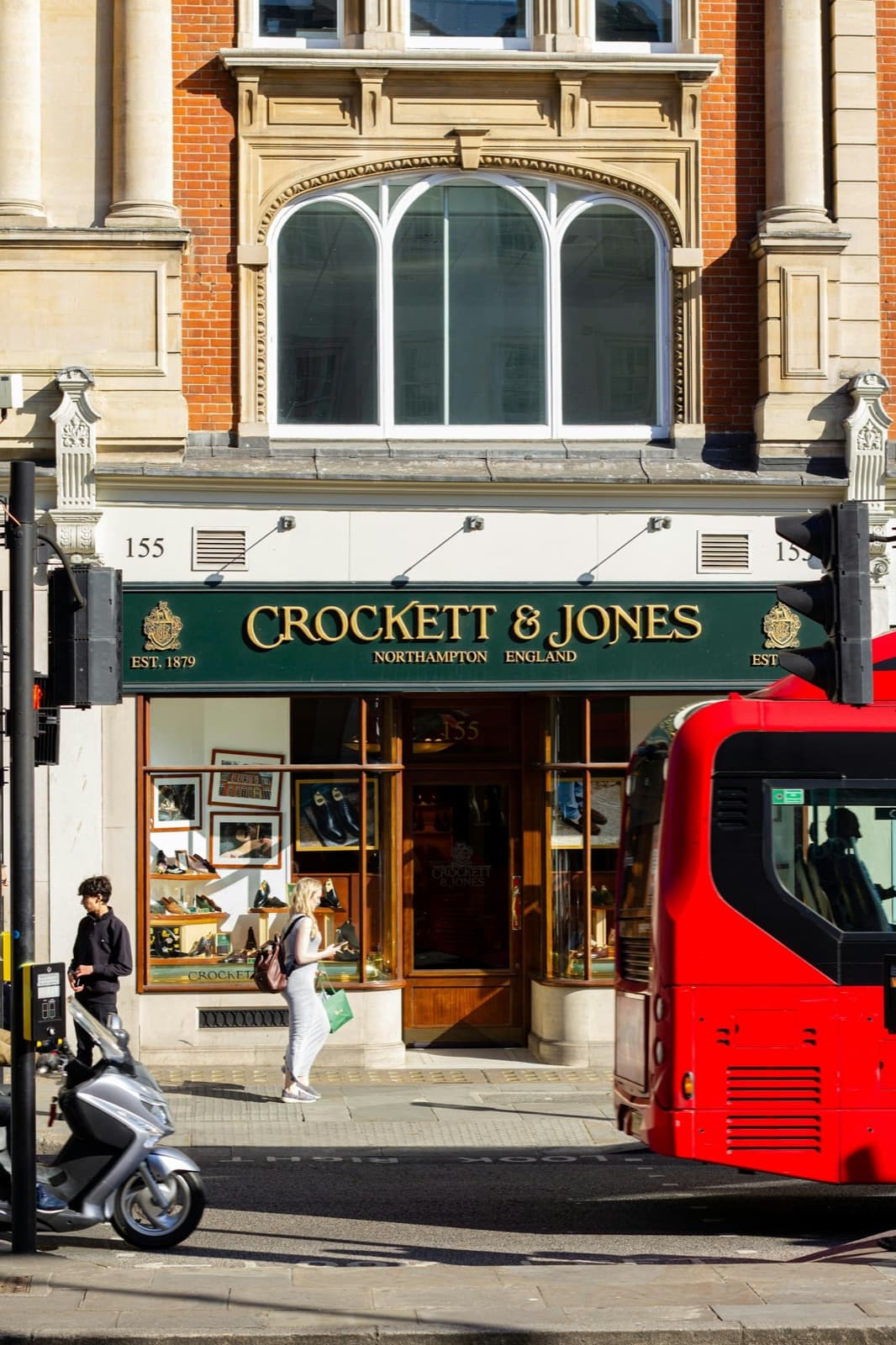
Stop paying someone else's mortgage. Own the building your business lives in.
The short version
A commercial mortgage is long-term borrowing secured on commercial property, typically 20% to 25% or more down, terms up to 25 years and up to 30 with some lenders. Owner-occupiers can reach up to around 80% loan-to-value with challenger banks, investment deals up to around 75% sized on the rent, and professional practices up to 100% with specialist lenders. All typical figures, a guide not a quote. We don't give advice, but we'll explain how the options work so you can choose.
What a commercial mortgage is
It is the property world's answer to a business that is tired of rent reviews: a loan secured on commercial premises, repaid over years rather than months. Because the building is the security, it tends to be the largest and cheapest borrowing a business can get.
We cover commercial mortgages for limited companies and LLPs. That might be the unit you trade from, an office or warehouse you let out, or a refinance of something you already own. Residential buy-to-let through a company sits on its own page at limited company buy-to-let, and if the timeline is too tight for a mortgage, bridging finance is usually the stopgap with the mortgage as the exit.
For the wider picture across mortgages, bridging and development funding, see our commercial property finance overview. This page goes deep on the mortgage itself.
The main types
Owner-occupied mortgage
Your trading premisesBuy the building your business works from. The lender assesses your accounts and whether the repayments are affordable from profits, and with challenger banks it can stretch to around 80% LTV and terms up to 30 years.
Commercial investment mortgage
Let to tenantsBuy commercial property to rent out. The rent covering the payments is what sizes the loan, typically up to around 75% LTV.
Professional practice lending
Up to 100%Dental, veterinary, medical, accountancy and legal practices can reach up to 100% with specialist lenders. Those sectors rarely default, and lenders know it.
Commercial remortgage
RefinanceMove an existing loan to a better deal, raise capital against equity, or exit a bridge onto long-term money.
Within each, you also choose a repayment style. Capital repayment clears the loan over the term so you finish owning the building outright. Interest-only keeps monthly costs down but leaves the debt to settle at the end, and lenders typically cap it at a lower loan-to-value. Investors often lean interest-only for cash flow, owner-occupiers usually lean repayment. That choice is one for you and your accountant, not us.
Rates, LTV and terms
Where the market typically lands. A general guide, not a quote, and every lender prices the specific deal.
| Mortgage type | Typical LTV / term | How it's priced |
|---|---|---|
| Owner-occupied | Up to ~80% · to 30 yrs | Margin over a reference rate, or fixed |
| Investment | Up to ~75% · to 25 yrs | Sized on rental cover |
| Professional practice | Up to 100% · to 25 yrs+ | Specialist lenders, sector-priced |
On loan-to-value, the split matters: high street banks typically go to 65% to 70% on owner-occupied deals, while challenger banks stretch to around 80%, so deposits usually land at 20% to 25% or more. And LTV does not just decide whether you qualify, it prices the loan, because a conservative LTV usually buys a keener rate.
Can you go above 80%?
Sometimes. Professional practices such as dental, vet, medical, accountancy and legal can reach up to 100% with specialist lenders. On other property, adding security over another property you own, or mezzanine finance on top of a senior loan, can push the total higher. Strictly case by case, and we will tell you straight what is realistic.
Budget beyond the deposit. Expect a valuation fee, your own and often the lender's legal costs, and a lender arrangement fee of typically around 1% to 2% of the loan. We show you the full cost to completion, not just the headline rate.
What lenders look at
Four things decide most commercial mortgage applications:
- ✓Accounts: usually two to three years filed, showing the repayments are comfortably affordable from profit, backed by recent bank statements
- ✓Deposit: where it comes from and whether using it leaves the business enough working capital
- ✓Rental cover on investment deals: the rent needs to cover the payments with headroom, which is what actually sizes the loan
- ✓The people: credit history of the company and its directors. Personal guarantees are commonly requested on corporate deals
The property itself gets an independent valuation, and lenders care about its condition, location and how easily it could be re-let or resold if things went wrong. A tired building in a strong location often beats a shiny one in a weak one.
Who it suits
A commercial mortgage tends to be a good fit when the deal looks like one of these:
- ✓An established business buying the premises it trades from, instead of renting them
- ✓A limited company or LLP buying commercial property to let to tenants
- ✓A professional practice buying its own surgery, clinic or office
- ✓A company refinancing an existing commercial loan or exiting a bridge onto long-term money
It suits less well when speed is everything or the property needs serious work first. That is bridging territory. And whether buying beats renting at all depends on your cash position and plans, which is a conversation for your accountant as much as anyone.
A note on who we take on
We currently work with UK limited companies and LLPs only, on a non-regulated basis. We are not authorised by the Financial Conduct Authority and do not arrange regulated residential mortgages.
How it works
Tell us about the deal
The property, the price, your deposit, whether you will occupy or let it, and your timescale. Two minutes on the form or a call.
We match you to lenders
We put it to the commercial mortgage lenders on our panel suited to that property type, sector and loan size, high street and challenger.
You get terms to compare
We talk you through the rate, the loan-to-value, the term, the fees and the conditions, and flag the catches.
Valuation, legals, completion
The lender values the property, the solicitors do their bit, and the funds complete. Realistically two to four months end to end, and we keep it moving.
Common questions
How much deposit do I need for a commercial mortgage?▼
Usually 20% to 25% or more of the purchase price. Owner-occupiers with strong accounts can reach up to around 80% loan-to-value with some challenger banks, which means a 20% deposit, while high street lenders typically sit at 65% to 70%. Investment property usually needs 25% or more. Professional practices such as dental, veterinary, medical, accountancy and legal can borrow up to 100% with specialist lenders, so in some cases no cash deposit at all. All of this is a guide, not a quote.
What is the difference between an owner-occupied and an investment commercial mortgage?▼
An owner-occupied mortgage funds premises your own business trades from, and the lender assesses it on your accounts and whether the repayments are affordable from your profits. A commercial investment mortgage funds property you let to other businesses or tenants, and the lender sizes the loan mainly on the rental income covering the payments. Owner-occupiers typically reach higher loan-to-values, up to around 80% with some challenger banks versus up to around 75% for investment.
How long can a commercial mortgage term be?▼
Terms commonly run up to 25 years, and up to 30 years with some lenders, typically challenger banks on owner-occupied deals. A longer term lowers the monthly payment but increases the total interest paid, so the right term depends on your cash flow and plans for the property.
Repayment or interest-only, which should I pick?▼
We cannot tell you which to pick, but here is how they differ. Capital repayment clears the debt over the term, so you own the property outright at the end. Interest-only keeps monthly payments lower but leaves the full loan to repay at the end, usually through a sale or refinance, and lenders typically cap interest-only at a lower loan-to-value. Investment landlords often prefer interest-only for cash flow, owner-occupiers often prefer repayment. Talk it through with your accountant.
Can a new business get a commercial mortgage?▼
It is harder, but not impossible. Most lenders want two to three years of filed accounts, so a brand-new trading business will find mainstream owner-occupied mortgages difficult. There are routes: a strong deposit, personal guarantees backed by assets, projections supported by contracts, or buying through an investment structure where the rent does the talking. Professional practices are the exception, as specialist lenders will back a first practice purchase, sometimes up to 100%. We will tell you honestly whether your case is fundable before you spend time on it.
Can I borrow 100% of the purchase price?▼
Sometimes. Professional practices, meaning dental, veterinary, medical, accountancy and legal firms, can reach up to 100% with specialist lenders because default rates in those sectors are very low. On other property you can often get to 100% of the purchase price by adding security over another property you own, or by layering mezzanine finance on top of a senior loan. Both are strictly case by case and subject to the lender.
Commercial mortgage vs bridging, which one?▼
It comes down to timeline and condition. A commercial mortgage is long-term, cheaper money for a property you plan to keep, but it typically takes two to four months to complete. Bridging is short-term finance measured in months, arranged in days to weeks, for auctions, tight deadlines or property that needs work before a mainstream lender will touch it, with the mortgage often being the exit. If you have time and the property is lettable or tradeable as it stands, the mortgage is usually the cheaper route.
Can my limited company or SPV hold the property?▼
Yes. Lenders are well set up for limited company and LLP borrowers, including special purpose vehicles set up to hold investment property, and will usually want personal guarantees from the directors. Whether to hold property personally or through a company is a tax question for your accountant. CapExpand only works with limited companies and LLPs.
Is a commercial mortgage FCA regulated?▼
A commercial mortgage to a limited company or LLP for business purposes is generally not a regulated mortgage contract. Lending secured on a home someone lives in is a different, regulated world and not something we touch. CapExpand introduces limited companies and LLPs to lenders on a non-regulated basis and is not an FCA-authorised firm.
Does CapExpand lend the money?▼
No. We are not a lender and we do not advise, arrange or broker regulated products. We introduce UK limited companies and LLPs to a panel of commercial mortgage lenders and help you compare what comes back. The lender pays us a commission if a deal completes, never you.
Sources
- FCA, regulated mortgage contracts (MCOB)
- NACFB, commercial finance standards
- British Business Bank, business finance guidance
- Bank of England, base rate
Important information
CapExpand Ltd is not authorised by the Financial Conduct Authority and can only complete non-regulated introductions. We work with UK limited companies and LLPs only, for business and commercial purposes. We are not a lender and we do not provide financial, tax or legal advice. We do not arrange regulated residential mortgages, consumer buy-to-let mortgages or any other regulated mortgage contracts. We work with a panel of lenders whose particulars are available on request, and we receive commission from the lender if a deal completes, at no cost to you. All lending is subject to status, valuation where applicable and the lender's own checks.
Registered office: Pure Offices, Lake View Drive, Annesley, Nottingham, NG15 0DT. Company No. 14433858.
Found the building, or still running the numbers?
Tell us the property, the numbers and your timescale, and we'll come back with the commercial mortgage lenders best placed to fund it. Free to use, no obligation.