Asset finance for UK businesses

Vans, machinery, a fleet or a piece of kit, paid for monthly with the asset itself as the security. We set out hire purchase and leasing side by side, with total costs, for UK limited companies and LLPs.
Lender-set
Deposit, published by each lender
HP or lease
Own it or hand it back
Ltd & LLP
Who we help
Commission
From lenders, disclosed to you
The kind of kit businesses put on finance
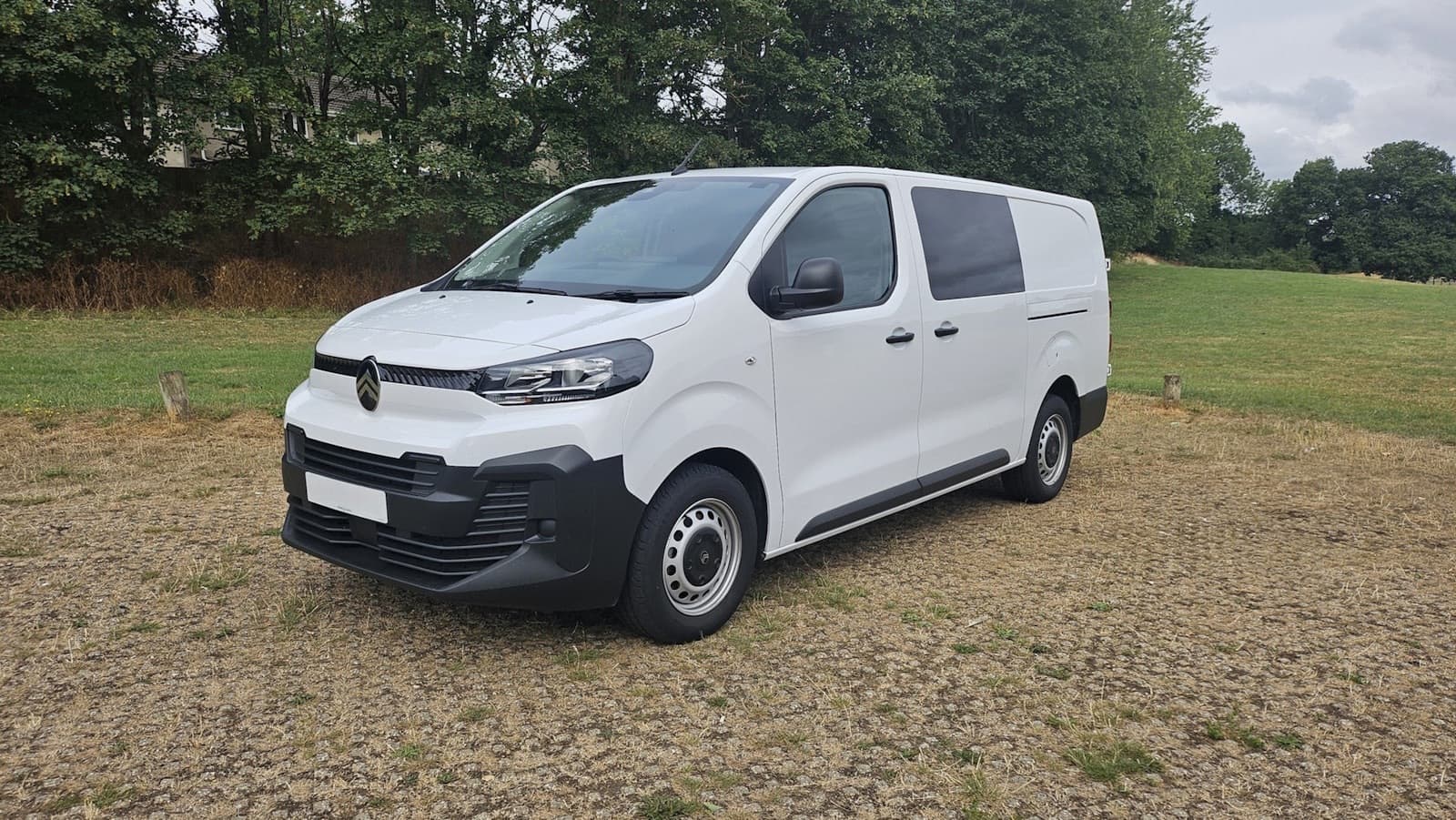
 The company vehicle
 The trades van
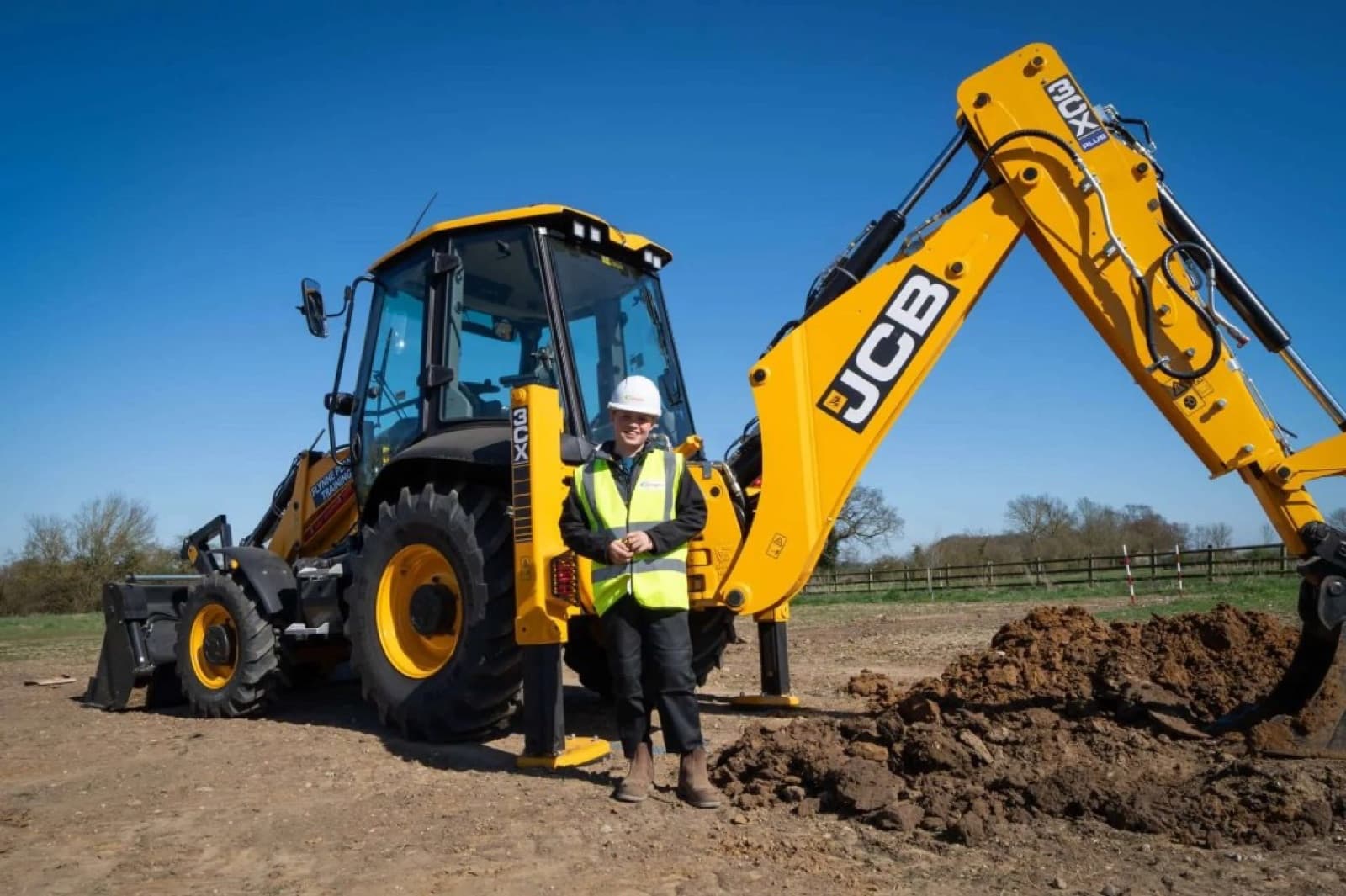 On site equipment
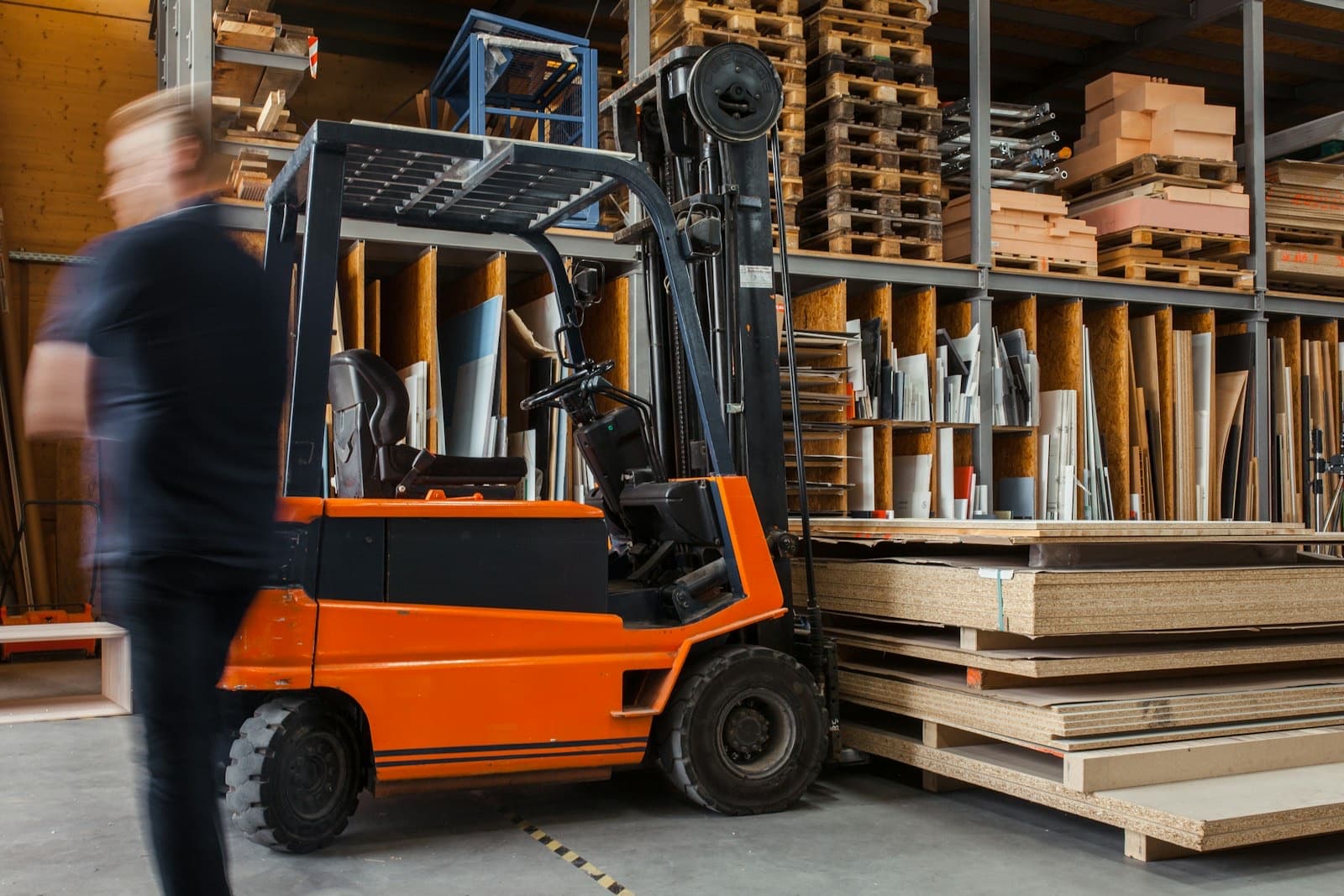 The warehouse forklift
Key points
- Lenders price asset finance against the asset as well as the business, and each lender sets its own rate.
- Hire purchase ends in ownership; leasing and contract hire end in return or renewal.
- We do not advise. We set both out side by side with the costs each lender provides, and the decision is yours.
The asset finance market in figures
Published figures on the size of the market and on applications across all lenders. The structures differ on ownership, VAT treatment and total cost, and we set those differences out. If a deal completes, the lender pays us a commission.
£40.3bn
of asset finance written for UK businesses in 2025, a fifth year of growth.
Source: Finance & Leasing Association, asset finance statistics, full-year 2025, published 2026. Quoted as published.
£24.4bn
of it went to SMEs, the highest on record.
Source: Finance & Leasing Association, asset finance statistics, full-year 2025, published 2026. Quoted as published.
of 2025 asset finance went to SMEs: £24.4bn of £40.3bn
Lenders set different criteria on the asset, the term and the deposit, and each one makes its own decision.
Source: Finance & Leasing Association, asset finance statistics, full-year 2025, published 2026. Quoted as published.
- Asset financeAsset finance96%
- OverdraftsOverdrafts61%
- Bank loansBank loans (all SMEs)60%
Survey figures across all applicants. They describe the market, not the outcome of any one application, and each lender decides on its own checks.
Source: BVA BDRC, SME Finance Monitor, survey data to 2024 and Q2 2025. Quoted as published.
What it actually is
Asset finance means getting the kit now and paying for it over time, with the asset itself standing as the lender's security. Because the lender can take the asset back if the payments stop, part of its risk sits in the asset, and it prices and decides each case on that basis.
It's one of the most used forms of business funding in the country. We see it most for vans and commercial vehicles, plant and machinery, catering kit and manufacturing gear. The one thing people get wrong early on is treating it like a single product. It isn't. The structures differ on whether you own the asset at the end and how long the agreement runs, and the choice between them is yours.
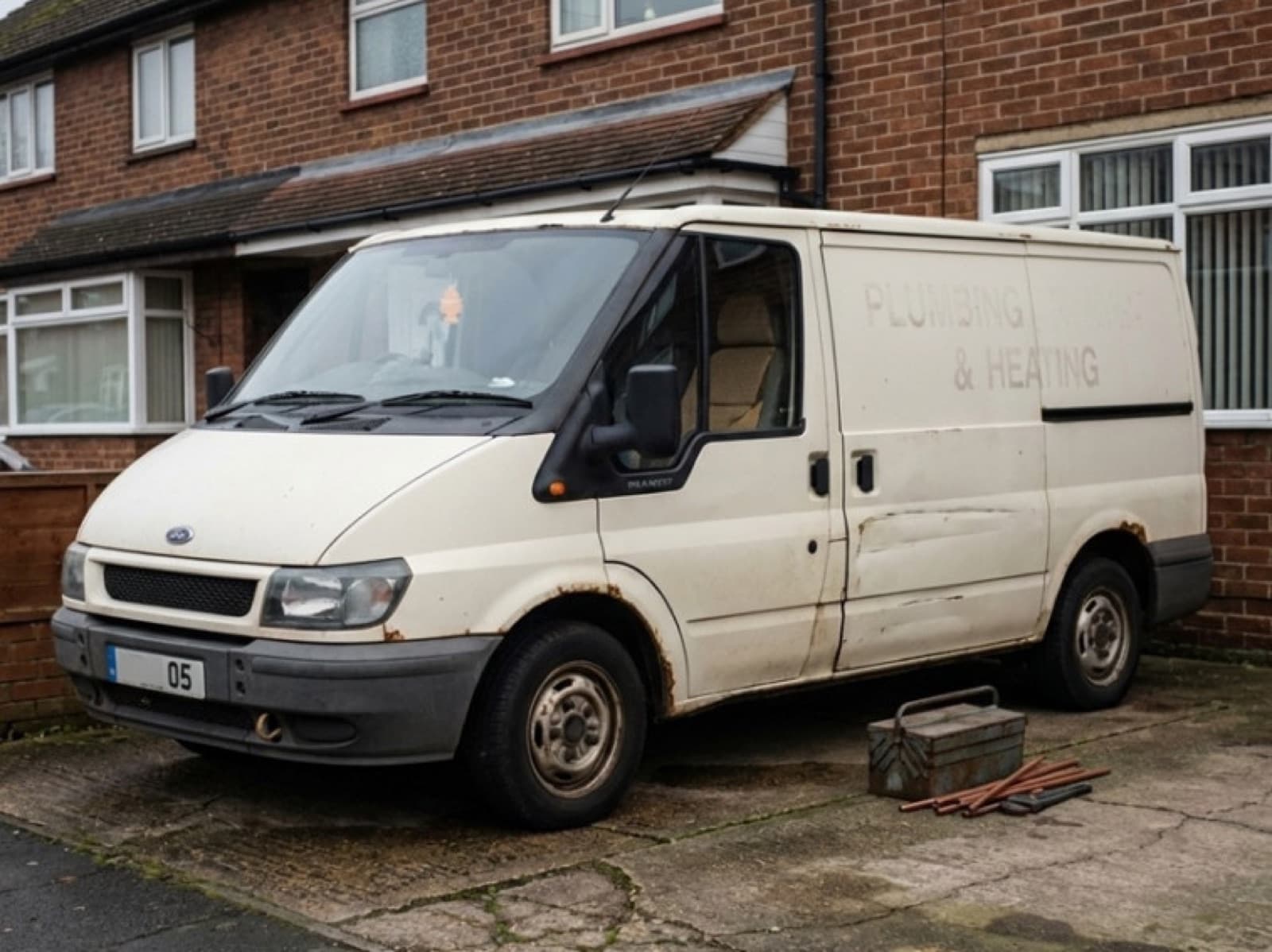
From the van that keeps failing its MOT to a new one on the road, paid for in monthly instalments.
The main types
The main structures are set out below. We go through each one properly in the full guide.
Hire purchase
You own it at the endOwnership passes to the business after the final payment.
Finance lease
Funder owns itThe funder keeps title and the business pays to use the asset.
Operating lease / contract hire
You hand it backThe asset goes back at the end, or the agreement is renewed.
Refinance / sale and leaseback
Already yoursRaises money against kit the business already owns.
Read the full guide to each type, costs and tax
What businesses put on finance
Hard, medium or soft, new or used, from small-ticket kit into seven figures. A flavour of what gets financed, including greener kit like solar, heat pumps and electric vehicles:
What it costs
How much and for how long depends on the asset: the term is set inside its working life, so a van and a line of factory plant are financed over different periods. Each lender publishes its own deposit requirement, and it moves with the asset and your business.
It is usually quoted as a flat rate, which looks cheaper than it is because you pay it on the full amount even as the balance drops. Rough check: the real APR is close to double the flat rate, so always ask for the APR and the total payable, not just a monthly figure.
See how rates, fees and tax work
Asset finance through our panel
Through our panel we have access to a range of UK lenders that offer asset finance. Lender criteria change, each lender makes its own decision, and all lending is subject to status and the lender's own checks.
Who we can help
Lenders look at how long you've traded, your accounts or bank statements, director credit and the asset itself. Newer businesses and bumpier credit aren't automatic no answers with asset finance, because the kit is the security, but expect a bigger deposit and a personal guarantee.
A note on who we take on
We work with UK limited companies and LLPs only, for business and commercial purposes.
To move fast, have the asset details (make, model, age, price), recent bank statements, your latest accounts and director details ready. Lenders ask for all four, and having them to hand shortens the paperwork stage.
How it works
Tell us about the asset
What it is, rough cost, new or used, and a bit about your business. Two minutes on the form or a quick call.
We take it to lenders
We put your case to the funders on our panel whose published criteria cover that asset and your business.
You compare the terms
Each lender sets its own decision time. The rate, structure and total cost are shown side by side, with the decision left to you.
Sign and get the kit
If you accept an offer and sign, the funder pays your supplier and the asset is delivered.
What lenders will finance, asset by asset
Asset finance lenders specialise. A funder that loves construction plant may not touch a coach, and marine and aviation kit sit with specialist lenders. Vans, company cars, construction plant and factory machinery are the mainstream classes; motorhomes, scaffolding, aircraft and boats are specialist, and fewer lenders write them.
Three things narrow the field faster than the asset itself: whether the seller is a private individual rather than a dealer, how old the kit is, and whether you need the VAT deferred rather than paid up front. The case goes only to lenders whose published criteria cover all three.
Specialist guides: construction plant · coaches and buses · scaffolding · used machinery
The panel behind this page
We have access to a range of UK commercial finance lenders through our principal, White Rose Finance Group Limited. Some of them write asset finance. Lenders set different criteria on trading history, seasonality and credit history, and each lender makes its own decision.
We check each lender’s published criteria first, and your case goes only to lenders whose requirements it meets. How a case is checked against criteria is set out on our how we work page.
What a lender asks for
An asset finance lender is lending against the thing being bought as much as against the business buying it, so the asset’s identity comes first.
- ✓The supplier’s invoice or proforma, naming the asset, its make, model and age, its serial, chassis or registration number, the price and the VAT treatment.
- ✓For a used asset, the seller’s details and proof that the seller owns it outright, because an asset with finance already secured on it cannot be sold clear.
- ✓The last filed accounts and, where they are more than a few months old, current management figures, with recent business bank statements.
- ✓The deposit the business will pay and where it comes from, and whether the asset will be used in the business or let out.
- ✓Director details for the personal guarantee that is usual on a limited company agreement, and the company’s existing finance commitments.
Which stages are in your hands
Once a lender has approved the agreement, the pace is set by the supplier, the signing and the paperwork the business returns, not by the lender.
The supplier invoice
The lender pays the supplier, not the business, so it needs an invoice made out in the form it specifies. Asking the supplier for it at the quote stage removes the commonest delay.
Signing and the guarantee
The agreement and the personal guarantee are signed by the directors; most lenders use electronic signing, and a guarantee witnessed in the wrong way is returned.
Proof of identity and the deposit
Identity checks on the directors and the deposit paid to the supplier are both the business’s to complete before the lender releases funds.
Delivery and the acceptance note
The lender pays out on the business confirming the asset has arrived and is as described. A delivery that slips moves the payout with it.
What can go wrong
Asset finance is one of the simplest products to run, and the things that go wrong with it are mostly about the asset rather than the money.
- Title on a used asset. The seller does not own the asset outright, or a previous agreement is still registered against it. The lender will not pay until the title is clear.
- The wrong structure for the business’s accounts. Hire purchase and leasing are treated differently for tax, VAT and the balance sheet. Many businesses talk to their accountant before choosing, and it is their own decision.
- Mileage and condition on a vehicle agreement. Contract hire and some leases carry a return condition and a mileage allowance. Exceeding either costs money at the end of the term.
- Settling early. Each lender publishes its own early settlement terms; some rebate interest, some do not. Read them before signing if the asset might be sold or replaced before the term ends.
- A guarantee on an asset that depreciates fast. If the business fails, the lender repossesses and sells the asset and pursues the guarantor for any shortfall. Specialist or fast-depreciating assets carry a bigger shortfall risk.
Common questions
What is asset finance, in plain English?▼
It lets you spread the cost of kit like vehicles, machinery or equipment over monthly payments instead of paying the lot upfront. The asset itself acts as the security, so the lender weighs the asset as well as the business when it prices and decides the case.
What is the difference between hire purchase and leasing?▼
Hire purchase ends with the business owning the kit once the last payment is made. A lease or contract hire ends with the kit handed back or the agreement renewed. Which one a business uses is its own decision, and many talk it through with their accountant before signing.
How fast can it happen?▼
Each lender publishes its own decision and payout times, and they change. A clean limited company buying a mainstream asset from a dealer is the simplest case to assess; used, specialist or larger deals take longer because the lender looks harder at the asset.
Can I finance used kit, not just new?▼
Yes. Most lenders do both. With older or specialist assets they look harder at the make, age and resale value, because that value is their security, so expect a bigger deposit on anything unusual.
Will I need a deposit or a personal guarantee?▼
Often a bit of both, especially for newer companies or larger amounts. Each lender publishes its own deposit requirement, and a director personal guarantee is normal on bigger deals. We set out what each lender asks for before anything is submitted.
Does CapExpand lend the money?▼
No. We are not a lender. We put your case to the asset finance lenders on our panel and we will receive commission from the lender if a deal completes; the commission model, calculation and amount will be disclosed to you throughout your customer journey. We work with UK limited companies and LLPs only, for business and commercial purposes.
Which lenders do you put asset finance to?▼
We have access to a range of UK commercial finance lenders through our principal, White Rose Finance Group Limited. We do not send your details to all of them. We check each lender’s published criteria against your case and approach only those it meets, once you have said so. Panel composition is set by our principal and changes; a lender being on the panel is a fact about the panel, not a recommendation. Any figures are a guide, not a quote.
Can you finance unusual assets, or only vans and machinery?▼
Both. Vans, cars, construction plant and factory machinery are mainstream asset finance, funded every day. Specialist kit such as scaffolding, motorhomes, aircraft and marine equipment is written by fewer lenders. A narrower field is not a no, it just means the case goes only to the lenders whose published criteria cover that class.
More questions answered in the full guide
Sources
- Finance & Leasing Association: asset finance statistics
- HMRC: capital allowances on plant and machinery
Each lender publishes its own criteria, and they change without notice.
Related funding
- Using an asset finance broker: what changes by asset class
- How long does asset finance take?
- How much deposit do I need?
- Green energy and EV charging finance
- Asset finance in full: types, costs and tax
- Asset finance on used machinery
- Equipment funding
- Construction plant finance
- Manufacturing finance
- Finance for tradespeople
- Worked example: a £100,000 hire purchase
- Van finance for UK businesses
- Asset finance explained: hire purchase and leasing
- What is a finance lease?
- Range Rover business finance explained
- What is hire purchase?
- What is asset finance?
Important information
Different lenders pay different amounts under different commission models, and further detail is disclosed during your journey.
Got an asset in mind?
Tell us what you're after and we'll come back with the lenders on our panel whose published criteria cover the asset. No obligation, with the costs each lender provides set out in full.