Best Card Machine for Market Stalls and Street Food UK 2026
If you trade at markets, festivals, or from a food truck, you know that taking card payments is no longer optional. Most of your customers expect to tap and go. But not every card machine is built for life outdoors. Here is what actually matters when you are picking a terminal for market trading.

Key Takeaways
- 58% faster transactions with 2-second authorisation keeps queues moving
- 99.99% uptime since February 2022 means you never miss a sale
- Built-in 4G + WiFi so you are not dependent on venue WiFi
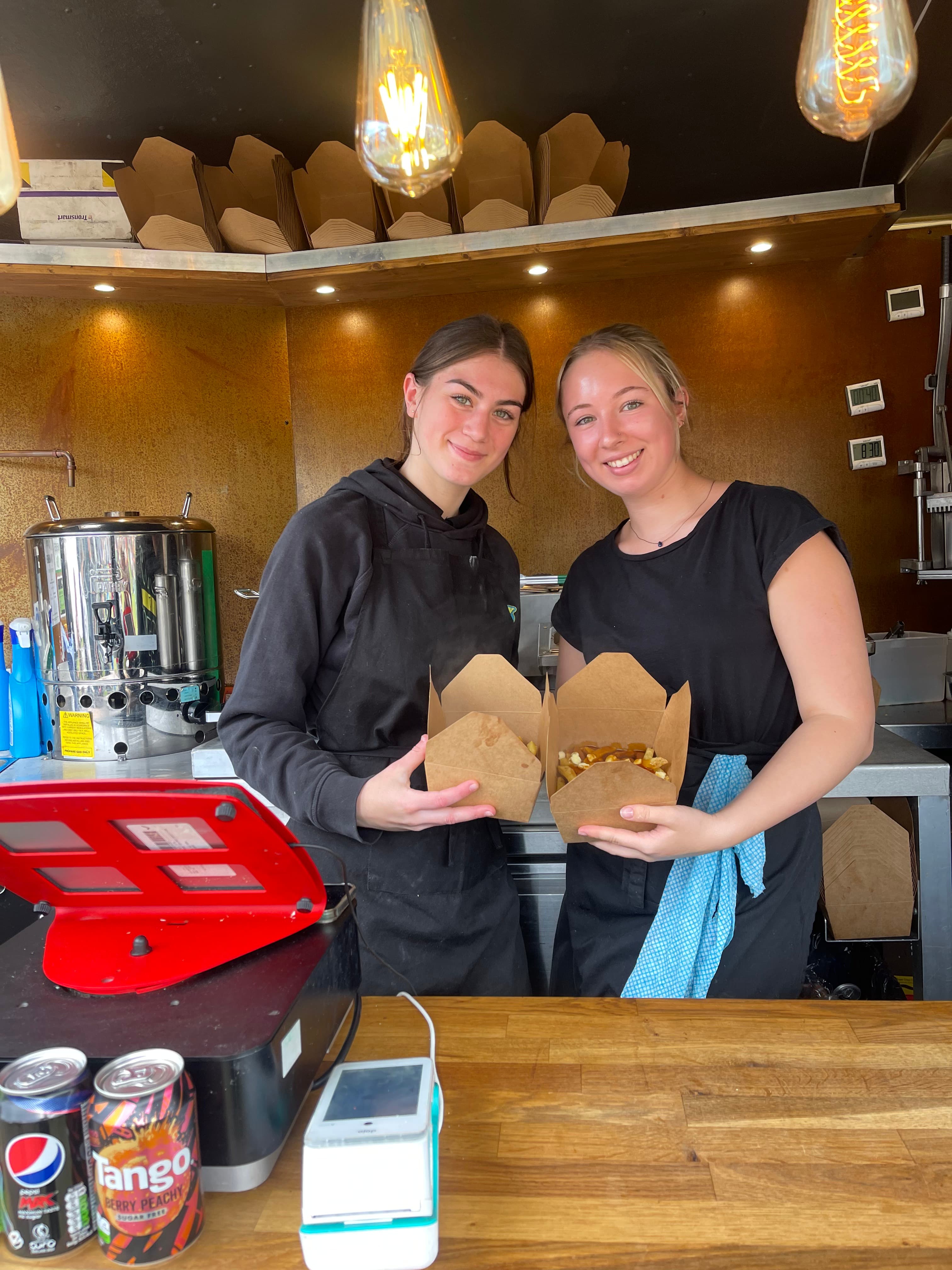
- Spudman grew from solo to a 10-person team after switching to Dojo
- 30-day commitment-free trial with 30-day rolling or 12-month contract options
The Non-Negotiable: 4G Connectivity
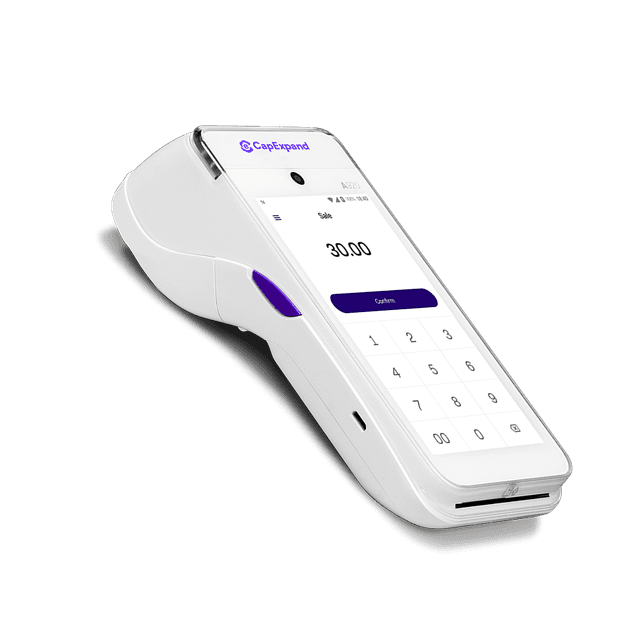
This is the single most important feature for any market trader. Most market pitches do not have Wi-Fi, and even when they do, shared market Wi-Fi is unreliable at best. You need a card machine with its own built-in 4G SIM so it connects to the mobile network independently, just like your phone.
Budget card readers like the Square Reader and SumUp Solo do not have their own connectivity. They pair with your phone via Bluetooth and use your phone's data connection. That works until your phone battery dies, your data runs out, or you are in a spot with poor signal. I have seen traders lose sales because their phone dropped connection mid-transaction. A proper portable terminal with built-in 4G eliminates that problem entirely.
Battery Life: Getting Through a Full Trading Day
A typical market day runs six to eight hours. Some weekend markets and festivals go even longer. Your card machine needs to last the entire day on a single charge without you worrying about finding a power socket halfway through the afternoon rush.
The Dojo Go portable terminal is rated for a full day of heavy use. In practice, most market traders report getting through an entire busy Saturday without the battery dipping below 20%. If you are trading at multi-day festivals, a USB-C charge overnight will have it back to full by morning.
Small Bluetooth readers tend to have shorter battery lives, and because they rely on your phone as well, you are managing two devices that both need to stay charged. That is one more thing to think about when you should be focused on serving customers.
Speed Matters When There Is a Queue
Anyone who has worked a busy food market knows that speed is everything. You have got ten people waiting for a burger and every second counts. A card machine that takes four to five seconds to process a tap is noticeably slower than one that does it in under two seconds. Over a busy lunch service, that difference adds up to real money.
Dojo terminals process contactless payments quickly and reliably. The transaction confirms on screen almost immediately after the tap, so you can move to the next customer without waiting. Budget readers can be sluggish, particularly when the Bluetooth connection to your phone is not stable.
Dealing with the British Weather
If you trade outdoors in the UK, you will get rained on. That is not a possibility, it is a certainty. Your card machine needs to handle the odd splash without dying on you. While no card terminal is designed to be fully waterproof, the build quality of a professional portable terminal is significantly better than a cheap plastic reader.
Temperature extremes matter too. Early morning winter markets can be close to freezing, and summer food festivals can see temperatures well above 30 degrees. Cheap battery-powered readers can struggle in cold weather as the battery performance drops. Dojo Go is built for commercial use and handles UK weather conditions without issues.
Need a card machine for your stall?
The Dojo Go portable terminal is built for market trading. 4G, all-day battery, fast contactless, and competitive rates through CapExpand.
Get a free quoteReceipt Printing: Do You Need It?
Most market customers do not want a receipt. They are buying a £6 toastie, not filing an expense claim. But some do ask, and it looks more professional to have the option. Dojo portable terminals can send digital receipts via text or email, which is faster, cheaper (no receipt rolls to buy), and better for the environment.
If you sell higher-value items at craft or artisan markets, the ability to offer a receipt adds legitimacy. It also helps with your own bookkeeping, since every transaction is logged digitally and accessible through the Dojo app.
Comparing the Options for Market Traders
Let me be direct about the market. Budget readers from Square and SumUp are cheap to buy (£19 to £29) and have no monthly fee. For a trader doing a handful of markets per month with low card volume, they are a workable starting point. But they have real limitations for serious market traders.
No built-in 4G. You depend on your phone for connectivity
Slower transaction speeds due to Bluetooth relay through your phone
Higher transaction fees (1.69% to 1.75%) that add up as volume grows
Smaller devices that are fiddly to handle when your hands are busy or gloved
No built-in screen for tips or order references
The Dojo Go solves all of these. It has its own 4G, a proper screen, fast contactless processing, and lower transaction rates for businesses with regular volume. If you are trading every weekend and processing more than a few hundred pounds per market, the total cost works out lower than a budget reader within a few months.
Every lost card sale is a lost customer
Dojo Go works on 4G anywhere. 30-day trial, no commitment. Get your exclusive rate through CapExpand.
Get your quoteTips and Gratuities at Markets
If you sell street food or drinks, some customers will want to tip. With a basic card reader, there is no way to add a tip to a card transaction. The customer either tips in cash (which fewer people carry) or not at all.
Dojo terminals support on-screen tipping, so customers can add a tip before they tap. This might sound like a small thing, but traders who have switched from basic readers to Dojo consistently tell me their tips increased because the prompt makes it easy for customers to add a pound or two.
Multi-Day Events and Festivals
Festival trading is a different beast. You might be on site for three to five days, processing hundreds of transactions per day. Connectivity can be patchy with thousands of people all hitting the same mobile towers. This is where a proper terminal with strong 4G reception and reliable hardware really earns its keep.
Dojo Go is designed for exactly this kind of heavy, sustained use. A USB-C charge each night gets you through the next day, and the 4G connection holds up well even in crowded festival environments. If you are doing the summer circuit, you need equipment you can trust to work every single day without fail.
What About Cash?
Plenty of market traders still accept cash alongside cards, and that is sensible. Some customers prefer it, and there is no reason to turn away a sale. But the balance has shifted dramatically. Most traders I speak to now report that 60% to 80% of their takings come through cards.
Going card-first means you carry less cash (reducing theft risk), spend less time counting floats and change, and every sale is recorded digitally for your accounts. You can still accept cash when offered, but card acceptance is what keeps the queue moving.
The Bottom Line for Market Traders
If you are serious about market trading and doing it regularly, invest in a proper portable terminal. The Dojo Go through CapExpand gives you 4G connectivity, all-day battery life, fast transactions, on-screen tipping, and lower fees than the budget alternatives. It is built for the demands of outdoor trading in a way that a £19 Bluetooth reader simply is not.
Your card machine is not just a payment device. It is part of your customer experience. When it works smoothly and quickly, your customers notice. When it fumbles or freezes, they notice that too.
Real Result
Spudman: From Solo Trader to 10-Person Team
Spudman, the viral jacket potato vendor, switched to Dojo Go for his mobile truck. Payment times dropped from 5-6 seconds to just 2. His business shifted from 80-90% cash to mostly card, and the reliability of Dojo's 4G connection meant he never lost a sale at outdoor events. He has since grown to a team of 10.
“The Dojo Go is a workhorse – it just works, no fuss, no muss. And with transaction times trimmed by 50-60%, who can argue with that?”
Ben Newman, Owner, Spudman (1 mobile truck, 10 employees)
Sources and references
Trade smarter at your next market
Get a Dojo Go portable terminal through CapExpand with competitive rates and next-day payouts. Takes two minutes to apply.
Get a free quoteCapExpand Ltd (Company No. 14433858) is an authorised Dojo partner, not a card machine manufacturer. We are not currently authorised or regulated by the Financial Conduct Authority. Card machine pricing and availability are subject to change. All information on this page is for general guidance only.