Business Funding · 9 min read
Asset Finance Explained: Hire Purchase, Leasing and the Flat Rate Trap

The kitchen needs a new oven. The workshop needs a CNC machine. The fleet needs two more vans. You could drain the bank account to buy them outright, or you could let the equipment pay for itself while it earns.
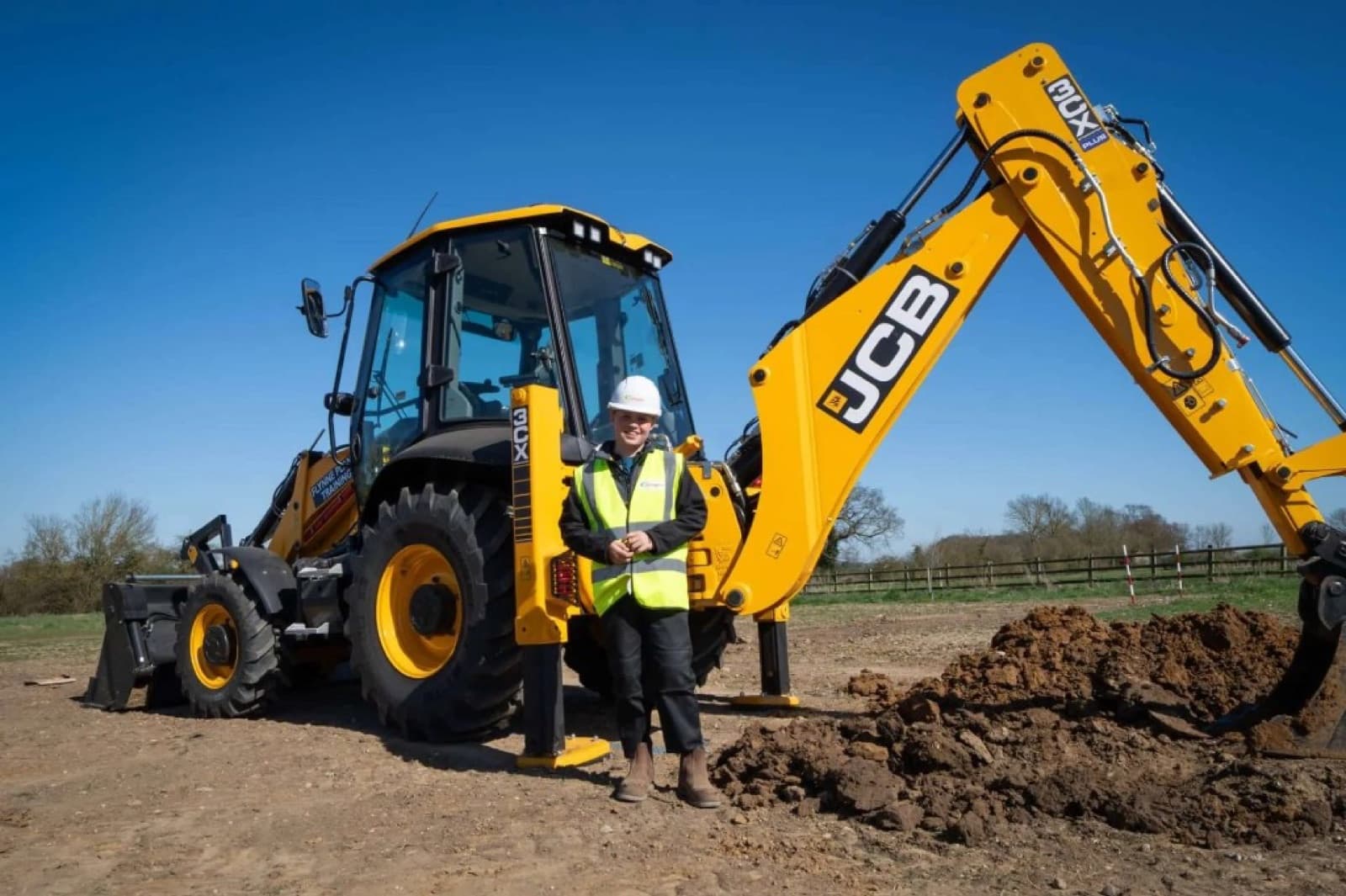
That's the whole idea behind asset finance: spreading the cost of vehicles, machinery and equipment over the years they'll be generating revenue, instead of taking the hit in one month. It funds everything from a £5,000 piece of kit into seven figures of plant and machinery.
Here's how the main structures work, what deposits and terms look like in 2026, and the one pricing trick that catches business owners out again and again.
What Counts as Asset Finance?
Asset finance is any funding secured against a physical asset your business uses. Because the lender has the asset itself as security, it's often easier to access than an unsecured loan of the same size, and the asset class shapes the deal. Lenders talk about three tiers:
- Hard assets: vehicles, trucks, construction plant, agricultural machinery. Strong resale value, so the best terms
- Medium assets: manufacturing equipment, commercial kitchen kit, printing machinery
- Soft assets: IT, software, gym equipment, furniture. Little resale value, so lenders lean more on the strength of your business
Hire Purchase vs Leasing: The Real Difference
Hire purchase (HP)
You pay a deposit, make fixed monthly payments over the term, and own the asset outright at the end. Deposits typically run 10 to 20% of the asset's value, though established businesses with a strong covenant can sometimes secure nil-deposit deals. On HP it's also common to pay the VAT up front alongside the deposit.
Finance lease
The lender buys the asset and rents it to you. You never own it, but you get the full use of it for lower monthly payments, and rentals are usually deductible as a business expense. At the end you can often extend, return the asset, or share in the sale proceeds.
Refinancing assets you already own
Sale and HP back, or asset refinance, releases cash from equipment your business owns outright. The lender buys it from you and finances it back. Businesses use it to unlock working capital that's been sitting in the yard.
The ownership question drives the tax treatment too, and that differs between HP and leasing. The details depend on your circumstances, so it's one to run past your accountant before you sign anything.
Typical Deposits and Terms in 2026
As a general guide across the UK market, not a quote:
- Terms: most agreements run 1 to 5 years, with up to 7 years available on heavy or specialist equipment
- Deposits: typically 10 to 20%, with nil-deposit available for strong established businesses
- Amounts: from around £5,000 with no practical upper ceiling for the right asset and business
Every deal is subject to status and the lender's own checks. The asset, the deposit, the term and your accounts all move the price.
The Flat Rate Trap
Here's the pricing quirk that catches people out. Asset finance is often quoted as a flat rate: interest calculated on the full original balance for the whole term, even though you're paying the balance down every month.
A rough rule of thumb: the true APR works out at close to double the flat rate. So a “5% flat” deal costs something nearer 9 to 10% APR. Neither number is wrong, they're just different ways of expressing the same repayments, but comparing one lender's flat rate against another's APR will mislead you every time.
The fix is simple. Ask every funder for the same figure: the total amount repayable over the term, in pounds, including all fees and any balloon payment. Pounds don't lie.
Buying equipment or vehicles this year?
Tell us what you're buying and we'll put your case to the asset finance lenders on our panel best suited to it. Free to use, every cost explained in plain English before you commit to anything, and enquiring does not affect your credit score.
Check your optionsWhere Asset Finance Fits
Construction firms financing diggers and dumpers. Restaurants kitting out a second site. Hauliers adding trucks. Manufacturers upgrading a production line. Farms replacing machinery. The pattern is the same: the asset earns money over years, so the cost is spread over years to match.
It also protects your other borrowing capacity. Because the finance is secured on the asset itself, your overdraft and working capital lines stay free for the day to day. And if the money is for a van or company car specifically, we've covered van finance and business car finance in their own guides.
How the panel splits by asset
Asset type decides the shortlist before anything else does. Of the 38 asset finance lenders on our panel, 33 write construction plant, 31 write factory plant and 31 write printing equipment. Soft and specialist kit thins out fast: 23 for gym equipment, 22 for a shop or office fit-out, 7 for aviation and 6 for marine. Counts checked September 2026, and the panel moves as lenders change appetite.
Three features are worth naming when you enquire, because they are where deals fall over. 15 lenders will look at older machinery, 10 will fund a purchase from a private seller rather than a dealer, and 25 offer VAT deferral so the VAT is not due alongside the deposit. Adverse credit is not fatal here either: 14 lenders consider business adverse credit and 19 will read a loss-making year rather than stop at it.
What the lenders themselves publish
The published criteria are blunter than the brochures. Novuna asks for three years' trading, normally a 10% deposit, and states plainly that it does not offer business loans at all. Aldermore says it will consider sole traders and partnerships as well as limited companies, and that the asset must be in a new or acceptable condition. Close Brothers puts a hire purchase term at typically up to five years. Those three were read on the lenders' own sites on 7 September 2026 and none of them is a decision on your deal.
Then there is the clause worth finding before you sign a lease. Aldermore's own FAQ says a minimum-term agreement carries on after the minimum term until you give one month's written notice, and that the equipment goes back when the notice expires. Businesses do keep paying rentals on kit they thought they had finished with. Put the notice date in the diary on the day you sign.
Common Questions
Can I finance used equipment?
Usually, yes. Lenders finance used vehicles, plant and machinery all the time, particularly hard assets with a clear resale market. Age limits apply and vary by lender and asset type.
Will I need a personal guarantee?
Often, especially for smaller companies. It means you're personally on the hook if the business can't pay, so read it carefully before signing. We've written a full guide to personal guarantees and what they involve.
What's a balloon payment?
A larger lump sum left to the end of the agreement. It lowers the monthly payments but it doesn't lower the total cost, and it needs a plan: pay it, refinance it, or sell the asset to cover it. Always include the balloon when comparing total repayable figures.
How fast can it complete?
Straightforward deals on standard assets can be approved in 24 to 48 hours, with the supplier paid shortly after. Complex or high-value kit takes longer because the lender wants to understand what they're securing against.
Sources and references
- Close Brothers Asset Finance: hire purchase (checked 7 September 2026)
- Aldermore: asset finance FAQs, including the lease notice clause (checked 7 September 2026)
- Novuna Business Finance: asset finance eligibility (checked 7 September 2026)
- GOV.UK: capital allowances
- Finance & Leasing Association: Business Finance Code
Compare asset finance from established lenders
CapExpand introduces you to asset finance lenders from our panel and a dedicated account manager talks you through every cost before you decide. Prefer to talk it through first? Call us on 0333 041 3127.
Check your optionsCapExpand is a credit broker, not a lender. We do not provide financial, tax or accounting advice, and nothing here is a recommendation. All figures are a general guide, not a quote. All funding is subject to status and lender approval. Speak to your accountant about the tax treatment of any agreement.
CapExpand Ltd (FRN 1060885) is an Appointed Representative of White Rose Finance Group Limited, which is authorised and regulated by the Financial Conduct Authority (FRN 630772). We are a credit broker, not a lender. We do not provide financial advice.