Van finance for UK businesses

For most trades the van is the business. When the old one starts costing more in recovery trucks than it does in fuel, it is time, but finding several thousand pounds in one go to replace it is exactly when cash is tightest. Van finance spreads that cost so the new one can earn from day one.
This guide covers how UK businesses fund a van or a whole fleet, from a single Transit to a dozen Sprinters. We arrange finance for UK limited companies, LLPs, sole traders and partnerships through business vehicle finance lenders. We are a commercial finance broker, not a lender, and we will not tell you which option to pick. The good news with vans is the tax is usually simpler than with cars.
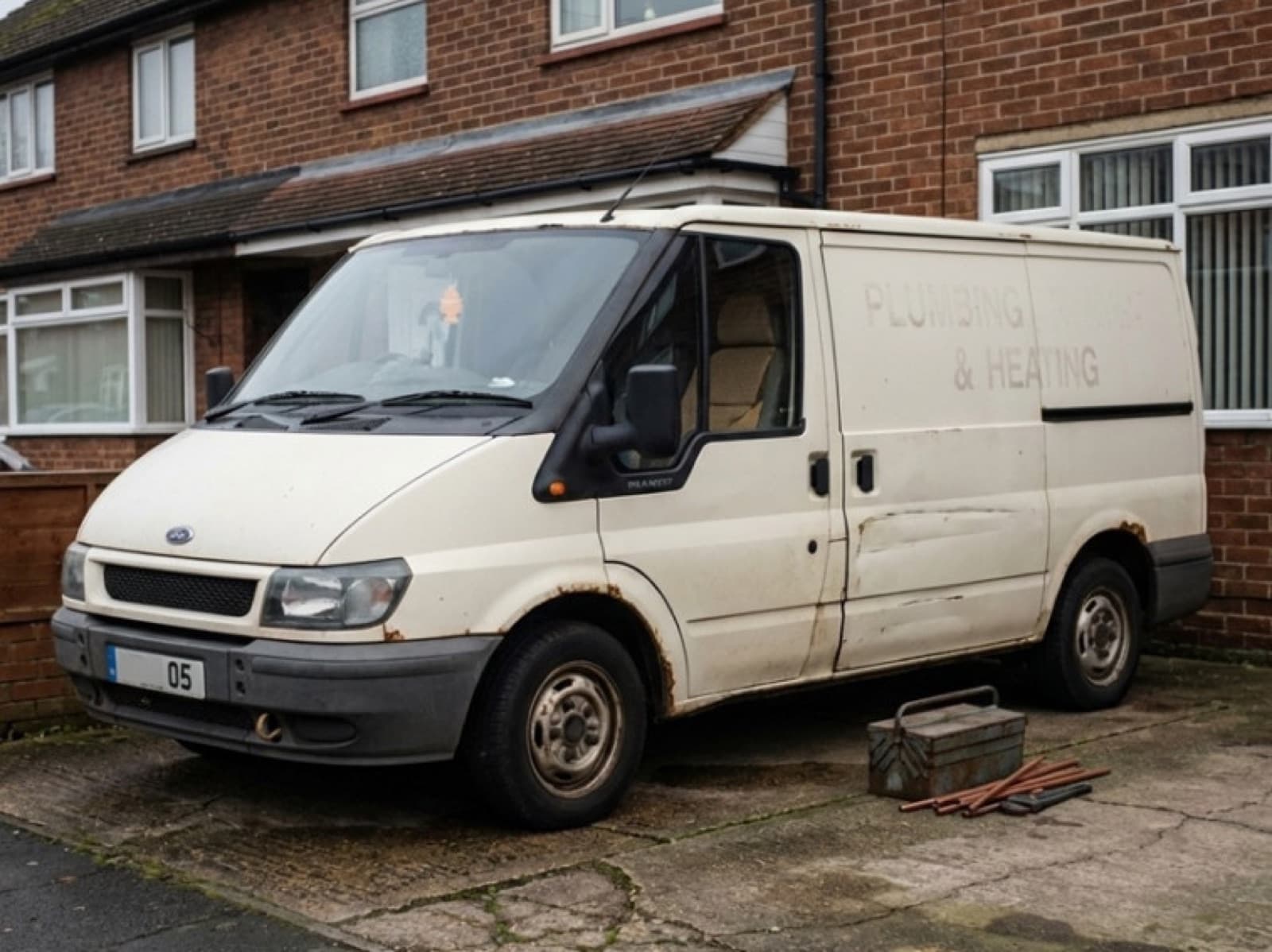
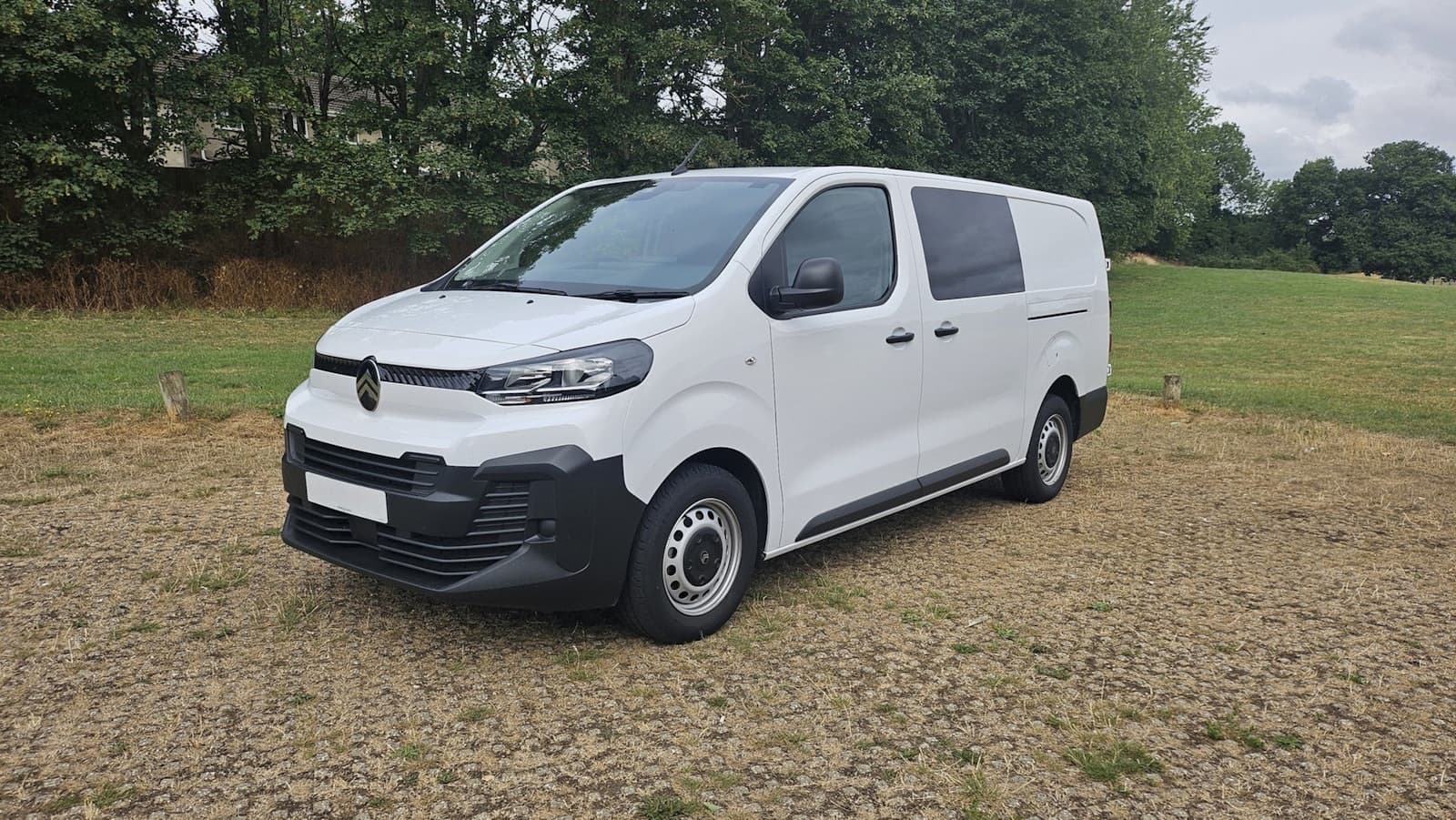
From the van that keeps failing its MOT to a new one on the road, spread over manageable monthly payments.
The ways to fund a van
Hire purchase. The classic for vans. Deposit, fixed monthly payments, and the van is yours at the end. Most trades want to own the tool they rely on, and a van that is paid off keeps earning with no monthly cost. This is the most common route we introduce.
Finance lease. The funder owns the van and you rent it, which keeps more cash in the business up front. Useful when you are kitting out several vehicles at once and do not want to drain the account.
Contract hire. A fixed-cost lease with agreed mileage, often with maintenance bundled in, then you hand it back. Popular with larger fleets that want predictable monthly costs and no resale hassle.
Refinance or sale and leaseback. Already own vans outright? You can raise working capital against them and pay it back over time. A handy way to free up cash without selling the kit you need.
| Option | Own it at the end? | Tends to suit |
|---|---|---|
| Hire purchase | Yes | Businesses that want to own the van |
| Finance lease | Not automatically | Protecting cash across several vans |
| Contract hire | No, you hand it back | Fleets wanting fixed, predictable cost |
| Refinance | Already yours | Releasing cash from vans you own |
The VAT advantage vans have over cars
This is the big one. Unlike a car, a genuine commercial van bought for business use generally lets a VAT-registered business reclaim the VAT, and the benefit-in-kind treatment is far kinder than a company car. That is a real difference in pounds, and it is one reason a van often makes more sense through the company than an equivalent car. It still needs to be a proper commercial vehicle and used for the business, so confirm the detail with your accountant before you bank on it.
What lenders look at
How long you have traded, your accounts or bank statements, director or owner credit, and the van itself, since it is the security. Newer businesses and patchy credit are not automatic refusals with van finance, because the asset backs the deal, but expect a larger deposit and a personal guarantee.
Van finance is usually quoted as a flat rate, which looks cheaper than the true APR because it is charged on the full balance throughout. Ask for the APR and the total payable. Our asset finance calculator gives an illustrative monthly cost, and it is an illustration rather than a quote.
How many lenders actually write van deals
Light commercial vehicles are one of the easier asset classes to place. 32 of the 38 asset finance lenders on our panel write them, against 15 for motorhomes and 6 for marine. Panel product limits for asset finance span £1,000 to £50 million, which is the range of product ceilings rather than a typical offer. Counts checked September 2026, and panel composition changes as lenders open and close appetite.
Credit history narrows the list rather than closing it. 14 lenders on the asset panel will consider business adverse credit and 19 will look at a loss-making set of accounts. Only 10 will fund a van bought from a private seller rather than a dealer, which is the constraint people trip over most often, and 25 offer VAT deferral on the initial payment.
Published criteria differ more than the marketing does. Novuna asks for a minimum of three years' trading and normally a 10% deposit. Aldermore says it will consider sole traders, partnerships, LLPs and limited companies, and that the asset must be in “a new or acceptable condition”. Close Brothers puts a hire purchase term at “typically up to five years”. Those are the lenders' own words on their own sites, read on 7 September 2026. None of them is a decision on your deal.
Why a flat rate looks cheaper than it is
Take £30,000 over four years at a 5% flat rate. 5% of £30,000 is £1,500 a year, so £6,000 of interest across the term and £750 a month. You pay that 5% on the full £30,000 in every one of the four years, including the last one, when the balance owing is nearer £8,000 than £30,000. That is why the APR behind a flat rate usually lands close to double it. Round numbers, an illustration rather than a quote, but the shape holds on real agreements.
Common questions
Can I fund the racking and sign-writing too?
Often, yes. Many lenders will fund the van plus essential conversion work like racking, ply-lining or sign-writing as part of the same agreement, so the kitted-out van is ready to earn. Ask when you enquire and we will check it with the lender.
New or used van, does it matter?
Both are fundable. With older or higher-mileage vans the lender looks harder at condition and resale value, which can mean a larger deposit, but used van finance is very common.
Can I finance several vans at once?
Yes. We regularly place fleet deals across multiple vehicles, sometimes mixing hire purchase and contract hire depending on how you want to run each van.
Can I reclaim the VAT on a van?
A VAT-registered business can usually reclaim VAT on a genuine commercial van used for the business, which is a key advantage over cars. The exact position depends on use and the vehicle, so check with your accountant.
Can I raise cash against vans I already own?
Yes, through refinance or sale and leaseback. You release working capital against the vans and repay over time while keeping them on the road. See our refinancing options for more.
Sources and references
Need a van, or a fleet of them?
Tell us what you are after and how you want to run it. We will put it to the right lenders and come back with real options.
Get a van finance quoteCapExpand Ltd (FRN 1060885) is an Appointed Representative of White Rose Finance Group Limited, which is authorised and regulated by the Financial Conduct Authority (FRN 630772). We are a credit broker, not a lender. We do not provide financial advice.