Contactless Payment Limit UK 2026: The Complete Guide
The UK contactless limit for physical debit and credit cards is £100. But if your customer pays with Apple Pay, Google Pay, or Samsung Pay, there is no upper limit at all. Here is everything UK businesses and consumers need to know about contactless payments in 2026.

Key Takeaways
- UK contactless limit is £100 for physical cards, no limit for Apple Pay and Google Pay
- Tap to Pay on iPhone via Dojo lets you accept contactless with just your phone
- QR code payments offer another contactless option where customers pay from their own device
- Dojo processes payments 58% faster than the market average
- 30-day commitment-free trial through CapExpand
The Current Contactless Limit: £100
Since October 2021, the contactless payment limit for physical cards in the UK has been £100. Before that, it was £45. The increase was introduced to reduce friction at the point of sale and to reflect changing consumer habits, particularly after the pandemic accelerated the shift away from cash.
This limit applies to standard contactless taps using a physical Visa, Mastercard, or Amex card. If a customer tries to tap their physical card for a transaction over £100, the terminal will prompt them to insert the card and enter their PIN instead.
Apple Pay and Google Pay: No Limit
This is the part that catches a lot of people off guard. When a customer pays using Apple Pay, Google Pay, or Samsung Pay, the £100 limit does not apply. They can tap their phone or watch for a £500 meal, a £2,000 purchase, or technically any amount. The reason is simple: mobile wallet payments are authenticated biometrically (Face ID, fingerprint, or device PIN), so they are treated as verified transactions, similar to chip and PIN.
For businesses, this is important to understand. If you sell high-value items or services, your customers can still pay by tapping their phone, even when the amount exceeds £100. You do not need to ask them to insert a card or enter a PIN. The biometric verification on their device handles the security.
Why Are the Limits Different?
The £100 limit on physical cards exists because a contactless tap on a physical card requires no authentication. If someone steals your card, they can tap it up to the limit without knowing your PIN. The cap limits the potential fraud exposure per transaction.
Mobile wallets work differently. Before the payment is authorised, the customer must authenticate on their device. With Apple Pay, that is Face ID or fingerprint. With Google Pay, it is a device unlock. This authentication step means the transaction is already verified before the phone touches the terminal, so there is no need for an additional cap.
Cumulative Limits and Security Checks
Beyond the per-transaction limit, there are cumulative security checks on physical contactless cards. After a certain number of consecutive contactless transactions (or a cumulative spend threshold), the terminal will require the customer to insert their card and enter their PIN. This is a fraud prevention measure set by the card issuer.
The exact threshold varies by bank, but it is typically around five consecutive contactless transactions or £300 cumulative spend. Once the customer enters their PIN, the counter resets. This is why customers occasionally get asked for their PIN even on small purchases. It is the card issuer's security kicking in, not a fault with your terminal.
How Dojo Handles All Contactless Types
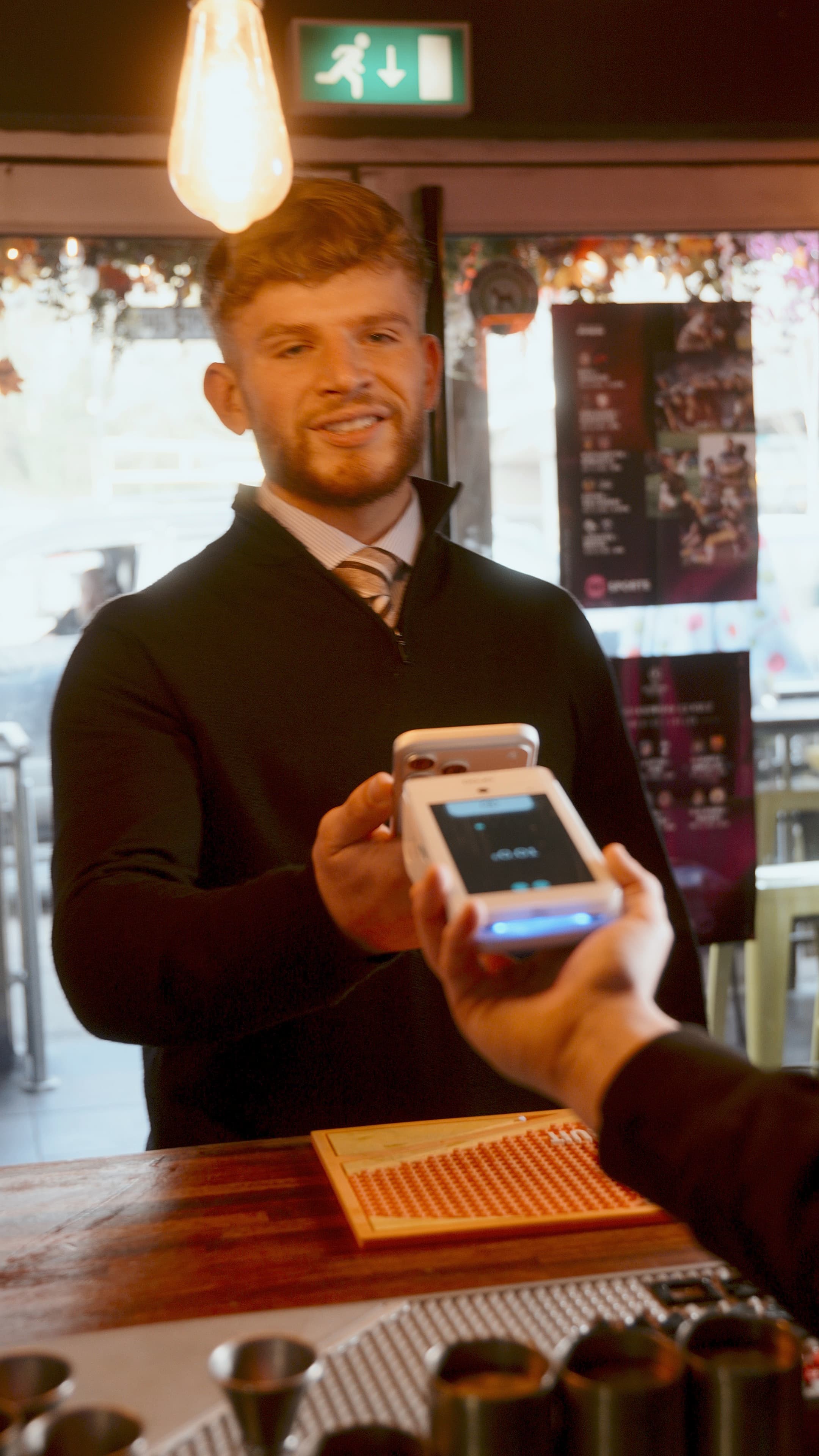
Dojo terminals accept every type of contactless payment: physical card taps up to £100, and mobile wallet taps (Apple Pay, Google Pay, Samsung Pay) for any amount. The terminal automatically detects which type of payment is being presented and processes it accordingly. There is nothing you need to configure or switch on.
For the customer, the experience is simple. They tap, the payment processes in under two seconds, and they are done. For you as the merchant, there is no difference in how the payment settles. Contactless transactions, whether from a physical card or a mobile wallet, follow the same settlement timeline.
Accept every contactless method from day one
Dojo handles cards, Apple Pay, Google Pay, QR codes, and Tap to Pay on iPhone. 30-day trial through CapExpand.
Get your quoteCan Merchants Set Their Own Contactless Limit?
Yes, merchants can choose to set a lower contactless limit than the standard £100. Some businesses opt for a £30 or £50 limit for security reasons or to reduce chargeback risk. This is configured through your payment processor.
However, in practice, very few businesses do this. Lowering the limit creates friction for customers and can lead to missed sales. If a customer wants to buy something for £70 and your terminal forces them to insert their card and enter a PIN, you are adding an unnecessary step. For most businesses, keeping the standard £100 limit makes the most sense.
Consumers Can Set Their Own Limits Too
Most UK banks now allow customers to set their own contactless limit through their banking app. A customer can lower their personal limit to £30, £50, or any amount they prefer for added security. Some banks also let customers disable contactless altogether.
As a merchant, you will not know what limit a customer has set. If their personal limit is £30 and they try to tap for £40, the terminal will simply ask them to insert the card and use their PIN. This is handled automatically by the card and terminal together.
Security: How Safe Is Contactless?
Contactless fraud rates in the UK remain very low. According to UK Finance data, contactless fraud accounted for less than 3p in every £100 spent contactlessly. The combination of per-transaction limits, cumulative caps, and the card network's own fraud detection systems keeps the risk minimal.
For businesses, contactless payments carry the same protection as chip and PIN transactions. You are not liable for fraudulent contactless transactions as long as your terminal is functioning correctly and you are following standard acceptance procedures.
Consumer Trends: Contactless in 2026
Contactless is now the default payment method for in-person purchases in the UK. Over 90% of eligible card transactions are made contactlessly. Mobile wallet usage continues to grow year on year, particularly among younger consumers. For many customers under 35, tapping their phone is the only way they pay.
For businesses, the practical takeaway is straightforward: if your card machine does not handle contactless payments quickly and reliably, you are creating friction at the point of sale. The expectation is a fast tap and go. Anything slower than a couple of seconds feels sluggish to today's consumer.
Will the Limit Increase Again?
There is no confirmed plan to raise the £100 limit further as of April 2026. Any increase would need to be approved by the Financial Conduct Authority and the card networks. Given that mobile wallets already have no cap, and mobile wallet usage is growing rapidly, there may be less pressure to increase the physical card limit.
The more likely trend is that mobile wallet payments will continue to grow as a proportion of contactless transactions. As more consumers adopt phone-based payments, the physical card limit becomes less of a constraint for most everyday purchases.
What This Means for Your Business
The key points for UK businesses are simple:
- Physical card contactless is capped at £100 per transaction
- Apple Pay, Google Pay, and Samsung Pay have no upper limit
- Your terminal should accept all contactless types without any manual switching
- Fast processing speed (under two seconds) matches consumer expectations
- Cumulative security checks are normal and handled automatically by the terminal
Make sure your staff understand the basics so they can answer customer questions confidently. The most common query is "why is it asking for my PIN?" and the answer is usually the cumulative security check resetting.
Beyond the Tap: QR Code Payments
Contactless is not just about tapping a card anymore. Dojo offers QR code payments where customers scan a code at their table or counter, choose how to split the bill, add a tip, and pay with Apple Pay, Google Pay, or their card. No app download required. It is another contactless method that gives your customers more ways to pay without touching anything.
Sources and references
Need a Card Machine That Handles Every Payment Type?
Dojo terminals accept all contactless payments, physical cards, Apple Pay, Google Pay, and more. Get a personalised quote based on your monthly card volume.
Get a free Dojo quoteCapExpand Ltd (Company No. 14433858) is an authorised Dojo partner, not a card machine manufacturer. We are not currently authorised or regulated by the Financial Conduct Authority. Card machine pricing and availability are subject to change. All information on this page is for general guidance only.