Going Cashless: What UK Business Owners Need to Know
Cash is not dead in the UK, but it is declining fast. More customers expect to pay by card or phone than ever before, and some businesses are dropping cash entirely. Whether you are considering going fully cashless or simply want to be ready for the shift, here is everything you need to know.

The UK Cashless Trend in Numbers
The UK has been at the forefront of the global cashless shift. According to UK Finance's UK Payment Markets report, card payments overtook cash for the first time in 2017, and the gap has widened every year since. Cash has declined significantly as a share of all UK payments over the past decade.
Contactless payments have grown rapidly, making up the majority of in-store card transactions. The pandemic accelerated this shift, with many consumers switching to tap payments and never going back.
Contactless Limits: What Applies in 2026
The UK contactless payment limit for physical debit and credit cards is currently £100. This has been in place since October 2021. The FCA gave card issuers the flexibility to set limits up to £100, and most major UK banks adopted the full amount. As of March 2026, the £100 limit remains in place with no confirmed plans to increase it further.
There is a security safeguard: after a set number of consecutive contactless transactions (typically five) or a cumulative spend of around £300, the cardholder must enter their PIN. This resets the counter and protects against lost or stolen cards.
Mobile Wallets Are Different
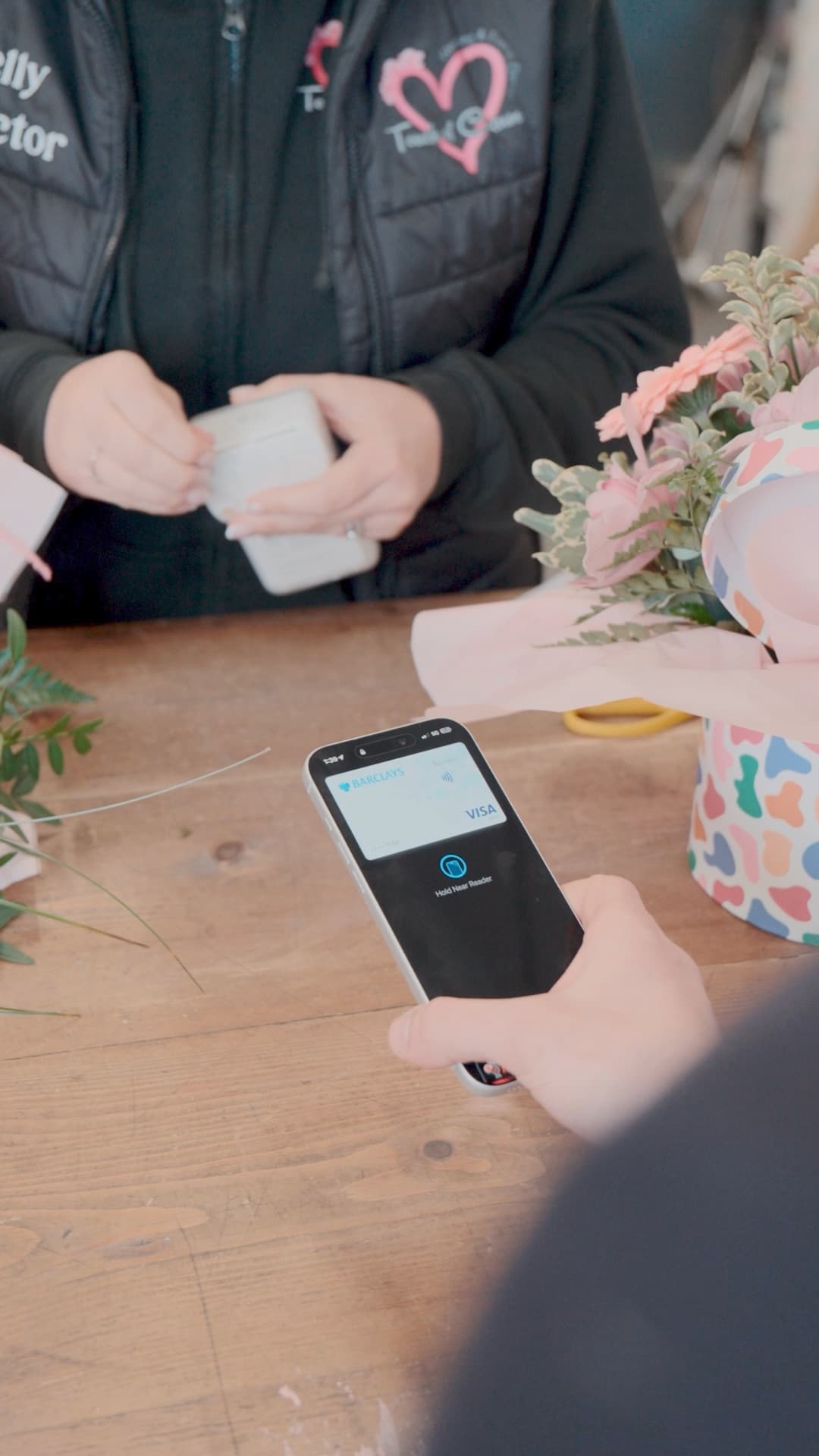
Apple Pay and Google Pay do not have a fixed transaction limit. Because the user authenticates each payment with biometrics (Face ID, fingerprint, or PIN), these transactions are considered more secure than a standard contactless tap. In practice, this means customers can use their phone to pay for a £500 meal or a £1,200 hotel stay with a single tap, something a physical card cannot do.
For businesses with higher average transaction values, supporting mobile wallets is not just convenient: it eliminates the friction of asking customers to insert their card and enter a PIN for purchases over £100.
What Customers Expect
Customer expectations have shifted decisively toward card and mobile payments. A 2024 Barclaycard study found that 36% of UK consumers would leave a shop if they could not pay by card. Among 18-to-34-year-olds, that figure was over 50%. Many younger consumers no longer carry cash at all.
This does not mean every business should go entirely card-only. But it does mean that not accepting cards is increasingly a barrier to sales, especially in hospitality, retail, and services.
The Benefits of Going Cashless
Speed: contactless payments take under two seconds, compared to 10-15 seconds for handling cash and counting change
Security: no cash on premises means reduced risk of theft, robbery, and till discrepancies
Higher spend: research suggests customers tend to spend more when paying by card versus cash
Hygiene: no handling of coins and notes, which was a major customer concern during the pandemic and remains a preference for many
Lower admin: no more counting tills, banking cash, or managing float. Every transaction is recorded digitally
Thinking about going cashless?
We will help you find a card machine that handles every payment type your customers use, at the best rate for your business.
Get a free quoteThings to Consider Before Dropping Cash
Going fully cashless is not the right move for every business. Before you make the switch, consider:
Accessibility: some customers, particularly older people and those without bank accounts, still rely on cash. The UK government has committed to protecting access to cash
Internet dependency: card machines need connectivity. Have a backup plan (4G fallback or offline mode) so you are never unable to take a payment
Tipping culture: in hospitality, some customers still prefer to tip in cash. Make sure your card machine supports on-screen tip prompts
Local demographics: a coffee shop in a university town can go cashless with ease; a village post office may need to keep cash for its community
What You Need to Accept Card Payments
If you are ready to go card-first (or fully cashless), here is the essential setup:
A reliable card machine with contactless, chip & PIN, Apple Pay, and Google Pay support
Wi-Fi or 4G connectivity (ideally both for redundancy)
A merchant account linked to your business bank account for settlements
Clear signage informing customers of accepted payment methods
An on-screen tipping option if you are in hospitality
A backup device or payment method for connectivity outages
The Middle Ground: Card-First, Not Cash-Free
Many businesses are finding that the best approach is not going fully cashless but going card-first. This means optimising your entire operation for card payments: fast machines, contactless-ready, digital receipts, while still accepting cash if a customer offers it. You get 90% of the efficiency gains without excluding anyone.
Whether you go fully cashless or card-first, the critical step is making sure your card payment setup is fast, reliable, and cost-effective. The technology is there. It is just a matter of choosing the right provider.
Sources and references
Ready to upgrade your payment setup?
Whether you are going cashless or just want a better card machine, we will find the right solution for your business, for free.
Get a free quoteCapExpand Ltd (Company No. 14433858) is an authorised Dojo partner, not a card machine manufacturer. Card machine pricing and availability are subject to change. Our card machine services are not regulated by the Financial Conduct Authority and fall outside our appointment as an Appointed Representative of White Rose Finance Group Limited, which covers credit broking only.